The Langtang Gosaikunda Trek is an amazing and unique journey across the sacred alpine region of Gosaikunda and the Langtang Valley. The Langtang walk blends high-altitude trekking, lush forest scenery, old Tamang and Tibetan culture, and picturesque mountain views. From Kathmandu, an incredible driving adventure takes you to Syabrubesi. After that, you walk alongside the Langtang River on a small track that leads into Langtang National Park. The trail passes through thick woods of bamboo, oak, and rhododendron. Along the way, you will pass by a number of traditional villages with breathtaking views of Langtang Lirung and the surrounding peaks, such as Kyanjin Gompa, Langtang Village, and Lama Hotel. You will be guided back through the valley by the scents of incense and chanting monks. Following your tour of the Langtang Valley, you will hike via the high-altitude Lauribina Pass region to the fabled Gosaikunda Lake. A popular pilgrimage destination for Buddhists and Hindus, Gosaikunda is encircled by striking mountain vistas. With its natural beauty, cultural diversity, wildlife, mountain views, and spiritual exploration, the Langtang Gosaikunda trek is the pinnacle of an authentic Himalayan experience. However, due to the trail's steep climb, proper acclimatisation, energy maintenance, and hydration are essential. This walk, which passes through the mountain ranges of Gosaikunda and the high-altitude valleys of Langtang, is the ultimate Himalayan adventure. It is a singular chance to take in the breathtaking scenery and cultural richness of one of Nepal's highland areas.
Start / Finish
Kathmandu - Kathmandu
Trip Duration
14 Days
Best Season
March-May / September-November
Difficulty
Moderate
Meals
(Breakfast, Lunch and Dinner) during the trek
Accommodation
Tea House
Transportation
Private Tourist Vehicle
Max Altitude
Goaikunda (4380)m
Trip Highlights
Overview
Without a doubt, one of the greatest trekking experiences in Nepal is the Langtang Gosaikunda Trek. The Langtang region is home to two important natural heritages: Gosaikunda Lake and the Langtang Valley. Exploring the Himalayan terrain, hilly settlements, indigenous culture, and breathtaking views of the Langtang region is made possible via the Langtang Gosaikunda trek.
An exciting Himalayan journey that starts with a picturesque car ride from Kathmandu to Syabrubesi, the final destination before the trek track begins. Beginning in Syabru Besei, the journey trail passes through thick forests of pine, oak, bamboo, and rhododendron. After meandering to the Lama Hotel, the forest trail progressively rises in elevation in the direction of the Langtang Valley. You frequently encounter traditional Tamang villages along the route, where you may take in the friendliness of the locals and see monasteries, Tibetan prayer flags, and traditional mani walls. This trail winds through traditional villages and the Himalayan landscape, making it enjoyable. As you ascend, the valley widens and the track alternates between areas of open terrain and forests. One of the trek's attractions, Kyanjin Gompa, is passed by the trail as it passes through Langtang Village. From here, you may take in the breathtaking views of the high-altitude valley and the Himalayas. If you decide to take the extra side journey from Kyanjin to a vantage point with expansive views of the valley and the surrounding Himalayan ranges, the vista is even more impressive.
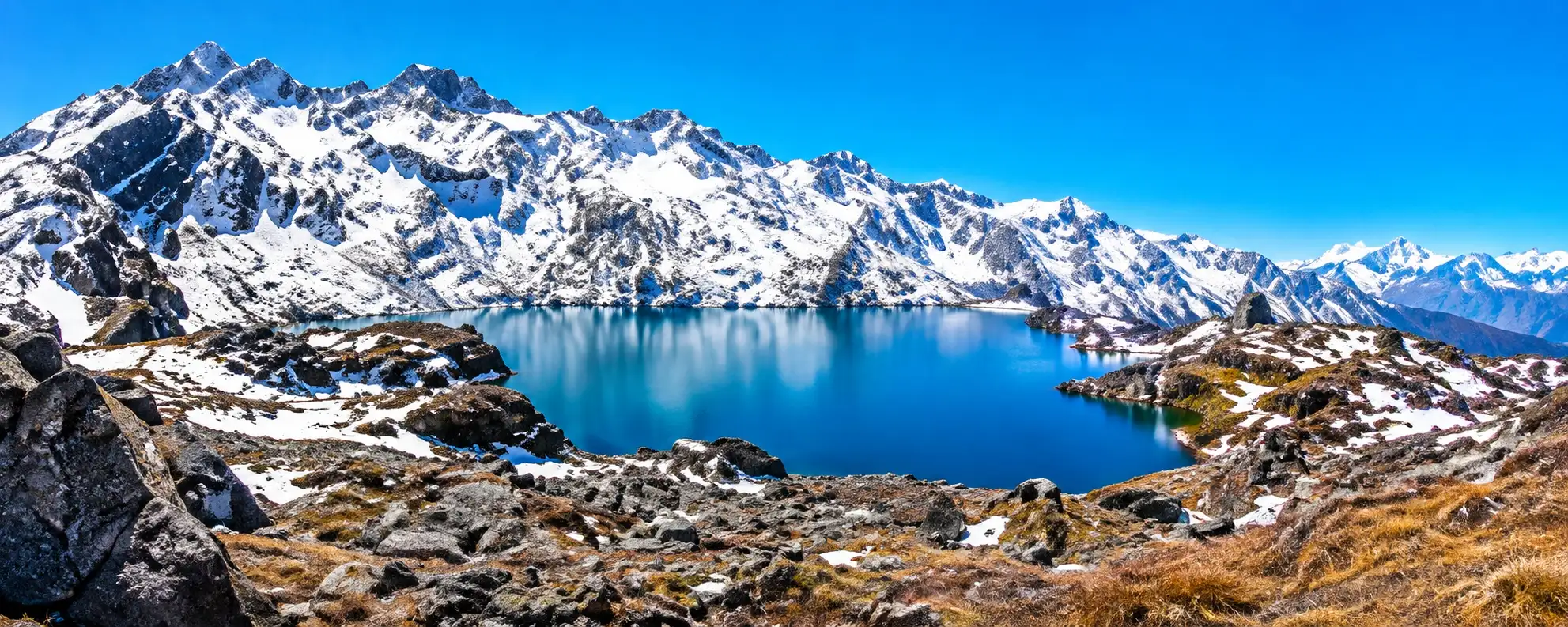
The trail finally leads to the Gosaikunda region after passing via Kyanjin hamlet and returning to the Langtang Valley. From here, the track winds through rocky, steep terrain before arriving at the alpine crest. You can take in breathtaking vistas of the Himalayas from here. The most well-known of the amazing high-altitude lakes in the Langtang region is Gosaikunda Lake. Gosaikunda is a sacred lake that provides a special window into the locals' religious customs. On Janai Purnima, a Nepalese religious holiday, pilgrims of Buddhism and Hinduism frequent this location because they think that taking a holy dip in the lake will atone for sins.
Depending on the path you take, you may also have to hike through Lauribina Pass. It is one of the trek's more difficult trails and calls for strong balance. While the trail to Gosaikunda passes across alpine slopes with breathtaking views of the Himalayas, the route to Langtang Valley is a combination of settlements, dense forests, and rocky outcrops. As part of the Langtang National Park trekking circuit, the Langtang Gosaikunda trip offers a variety of Himalayan plants and animals. The hike track offers a chance to engage with the locals and discover their distinctive cultural legacy as it winds through thick rhododendron trees.
For those who are eager to discover the area's natural beauty and indigenous culture, the Langtang Gosaikunda trip offers an amazing Himalayan trekking experience. The walk trail offers an amazing combination of traditional villages, thick forests, and expansive views of the Himalayas. Anyone who wants to see the wonders of the Himalayas must do the walk, which takes them from isolated mountain communities to the snow-capped Gosaikunda Lake. This walk is unforgettable not only because of the breathtaking scenery but also because of the friendly locals and the opportunity to observe the distinctive cultural customs.
The trail may be difficult due to the high altitude, and there may be significant temperature swings. A healthy diet, adequate hydration, and a good pair of hiking boots can keep you energised and enable you to face the steep and rough hiking terrain. If trekked with a qualified and experienced trekking guide, the Langtang Gosaikunda trip promises to be a great adventure.
Important Note :
Altitude and Acclimatization: Since the journey passes through high-altitude areas like Gosaikunda and Lauribina Pass, it's critical to give yourself enough time to acclimatize. You should also walk slowly and steadily, take frequent rests, and drink enough of water.
Weather: In the Himalayas, especially at higher elevations, the weather can be quite erratic. To guaranty a nice experience even on chilly evenings and nights, especially in the higher altitudes, it is advised to wear warm clothing, waterproof apparel, and appropriate trekking gear.
Fitness: The trekking paths are quite difficult, requiring daily long hikes as well as steep climbs and descents. To enjoy the walk, it is therefore advised to be in good physical condition. The trekkers will benefit from prior training and preparation since it enables the body to adapt to the difficult treks.
Food and Lodging: Along the trekking trail are tea houses and lodges that provide basic lodging in tidy rooms along with meals and beverages upon request. Travellers are advised to pack warm clothes, sleeping bags, and personal hygiene products wherever possible because accommodations become more widely spaced at higher elevations.
Travel Insurance: It is the trekker's obligation to arrange their own travel insurance, which should adequately cover hiking at high altitudes and any necessary emergency evacuations.
Trekking Permits: Before trekking in the Langtang region, you must obtain all required permits, including the entry visa for Langtang National Park and any other permits that may be needed. Permit arrangements can be established with our employees.
Packing Essentials: include warm clothes, waterproof gear, gloves, a hat, sunglasses, sunscreen, a water bottle, personal medication, and any other items deemed required or helpful during the walk. Sturdy and comfortable trekking shoes should be worn at all times.
Local Culture & Religion: Gosaikunda is a religious and cultural pilgrimage place for both Buddhists and Hindus. It is crucial that tourists respect the customs, rituals, prayer flags, monasteries, temples, and beliefs of the local inhabitants in the Langtang region.
Trail Conditions: When hiking, it's critical to pay great attention to your guide and to always follow their instructions. Particularly at higher elevations, some pathways may require traversing through snow or stepping over huge, potentially slick rocks or logs.
Leave No Trace: Every hiker should make an effort to leave no sign of their journey through this stunning area as we work to reduce the detrimental effects of humans on this unspoilt ecosystem. This means that single-use plastics should be avoided whenever possible, that designated paths should be followed, that natural flora and wildlife should not be harmed, that local environmental protection regulations should be followed, and that natural resources should be conserved.
Trip Short Itinerary
What's included
Transportation
- Private transportation for arrival and departure transfers between the airport and hotel is included.
- Private Tourist Jeep will be provided from Kathmandu to Syabrubesi for a comfortable and convenient journey.
- Drive from Dhunche to Kathmandu
Permits
- Langtang National Park Entry Permit (LNPEP).
- Trekkers' Information Management System (TIMS) Card.
Guide and Staffs
Foods and Accommodation
- Comfortable and standard accommodation on twin-sharing rooms, as per the itinerary.
- Breakfast in a daily basis. Lunch and Dinner will be provided during the trek.
Others
- A general first aid medical kit will be provided and carried throughout the trek for basic medical needs.
- A duffle bag will be provided for use during the trek to safely store and transport your belongings.
What's excluded
Flights and Visa
- International airfare between your home country and Nepal, including both arrival and departure flights, is not included.
- Any domestic airfare within Nepal, if required or applicable to the itinerary, is not included.
- The cost of the Nepal visa, including the visa-on-arrival fee, is not included in the package.
Travel Insurance
- Travel insurance for guests is not included in the package and must be arranged independently.
Personal Expenses
- Personal expenses such as laundry, hot showers, Wi-Fi access, telephone calls, sweets, snacks, battery charging, and other individual expenses are not included.
- Alcoholic beverages, juices, soft drinks, and other personal beverages are not included in the package.
Extra Costs
- Personal trekking equipment is not included unless specified above.
- Tips for guides, porters, and staff are not included.
- Any loss or additional costs caused by circumstances beyond Super Treks Nepal Pvt. Ltd.’s control are not included.
- Costs arising from flight delays, landslides, extreme weather, strikes, illness, government policy changes, or safety-related itinerary changes are not included.
- Any service or expense not specifically mentioned in the “Includes” section will be charged separately.
Route & elevation
Elevation profile
Day-by-day itinerary
The first day of the Annapurna Trek begins when you arrive in Kathmandu. A representative from Super Treks Nepal will pick you up and show you around as your guide for the duration of the expedition. The guide will take you to the hotel where you can freshen up after the flight. During this time, you can ask any questions or voice any concerns you may have about the trek. Your guide will also give you a brief overview of the itinerary and let you know what's coming days will be a good time to exchange contact information.
Accommodation
Hotel
Food / Meal
Breakfast
Seightseeing
Boudhanath, Swyambhunath, Pashupatinath
Pashupatinath Temple, Swayambhunath Stupa (Monkey Temple), and Boudhanath Stupa are some of the most well-known World Heritage Sites in the Kathmandu Valley. On the second day, you will see the valley's incredible cultural and historical treasures and learn about the distinctive architecture and significance of these sacred places for the locals. The term "World Heritage Site" most likely refers to the World Heritage Sites found in the valley, which are recognized as the best preserved and most well-known cultural and historical landmarks in Nepal.
Accommodation
Hotel
Food / Meal
Breakfast
Drive
8-9hrs
Lunch At
Kurintar
We begin our journey to the Annapurna Base Camp by driving from Kathmandu to Pokhara, which takes around six hours. We travel past terraced fields of wheat and rice, deep gorges, undulating hills, and traditional villages.
As an alternative, you could decide to pay an additional fee to fly from Kathmandu to Pokhara. The flight is a great way to get an aerial perspective of the Annapurna, Manaslu, and Langtang mountain ranges.
Driving through traditional towns, terraced farms, rolling hills and picturesque mountain routes. The views of the neighboring valleys and hillsides are lovely.
Accommodation
Teahouse
Food / Meal
Breakfast, Lunch and Dinner
Trek
5-6hrs
Ascend
190m
Lunch At
Lower Sinuwa
The trek from Jhinu Danda to Upper Sinuwa commences after breakfast. Our path traverses the Modi Khola valley, providing breathtaking vistas of this charming biosphere, which is adorned with charming monasteries. We will traverse mossy stones and come across mountain villages that are clinging to the hillside. We reach Upper Sinuwa after a lengthy ascent and spend the nite in a teahouse, savoring the breathtaking vista of the Himalayas.
Accommodation
Teahouse
Food / Meal
Breakfast, Lunch and Dinner
Trek
6-7hrs
Ascend
870m
Lunch At
Himalaya
After breakfast, we start our hike from Upper Sinuwa to Deurali, traversing the Modi Khola valley and passing through dense rhododendron, bamboo, and oak forests. Waterfalls, rocky stretches, and breathtaking mountain views are all present along the route. As we ascend to higher altitudes, the trail becomes increasingly rugged and alpine after we have traversed the final ridge. As we approach Deurali, the landscape gradually transforms into a typical alpine setting, where we will spend the night in one of the local teahouses.
Accommodation
Teahouse
Food / Meal
Breakfast, Lunch and Dinner
Trek
6-7hrs
Ascend
900m
Lunch At
MBC
After a healthy breakfast we will be leaving from Deurali (elevation: 3230 m). We will be headed toward the famed Annapurna Base Camp at an altitude of 4130 m.
From Deurali we start our walk toward Annapurna Base Camp (ABC). It is a moderately challenging trek and 5-6 hours hike via Hinku cave, lush rhododendron and oak forests with amazing views of Annapurna mountain range. As we climb higher through the rocky outcrops we will be able to view snow peaks But the road ahead will get less tree cover and get drier and drier.
We will also stop for a moment and take some pictures and appreciate the amazing scenery and panoramic views of the snow peaks. Finally we reach the Annapurna base camp and see the splendour of the Annapurna mountain range. Tonight you will stay at a local guesthouse with a wonderful view of the Himalayan mountain range and a substantial meal.
Accommodation
Teahouse
Food / Meal
Breakfast, Lunch and Dinner
Trek
6-7hrs
Descend
1820m
Lunch At
Himalaya
We enjoy the amazing view of the sunrise at Annapurna base camp and then begin our descend into Bamboo hamlet. We follow the same trail across the valley to the Machhapuchhre Base Camp, Deurali and Himalaya. The trek takes us through a stunning scenery of high mountains, waterfalls and forests. As we descend the foliage becomes more and more lush and the trail simpler to traverse. We arrive in Bamboo village, where we get some much needed relaxation and spend the night at a local teahouse.
Trek
5-6hrs / Drive
Descend
1483m
Lunch Time
Chhomrong
After having breakfast we start our walking from Bamboo to Jhinu Danda. Our trail winds through forests, traditional villages and terraced hillsides. We descend with beautiful vistas of valleys and mountains. Then we travel back to Pokhara by drive and enjoy the scenic beauty of Pokhara. We spend a night in a hotel in Pokhara.
Accommodation
Hotel
Food / Meal
Breakfast, Lunch and Dinner
Drive
6-7hrs
Ascend
497
Lunch At
Kurintar
We will drive back to Kathmandu today via the picturesque Prithvi Highway, which passes past villages, rivers, and undulating hills on the way to central Nepal. Alternatively, you can take a quick 25- to 30-minute flight (but keep in mind that there are additional cost from Pokhara to Kathmandu).
As we return to Kathmandu, we carry unforgettable memories of the majestic Himalayan mountains, natural beauty, local culture, and warm hospitality experienced throughout the Annapurna Base Camp journey. This trek leaves you with a wonderful collection of experiences that will stay with you long after you leave the mountains. Upon arrival in Kathmandu, transfer to your hotel and relax. Overnight at the hotel.
Accommodation
Hotel
Food / Meal
Breakfast, Lunch and Dinner
As you begin your journey home, we wish you a safe, comfortable, and pleasant flight. May the breathtaking Himalayan views, peaceful mountain trails, local traditions, and friendships made along the way remain special memories for years to come.
Although the trek has come to an end, the spirit of the Himalayas travels home with you. We hope Nepal has left you with experiences that inspire you to return and discover even more of its magnificent mountains.
You will be transferred to the airport by our private vehicle in time for your flight.
Namaste and safe travels!
Food / Meal
Breakfast
Upcoming departures
Gear & equipments
Headwear
Brimmed cap for hot, high-UV trail days.

Warm hat for mornings above the treeline.

Dust, wind and cold on high passes.

Category 4 lenses for snow glare.

Pre-dawn starts and unlit teahouse corridors.
Upper body

Wicking next-to-skin layer for cold mornings.

Sun protection on exposed ridges.

Warmth at rest stops without bulk.

Camp and high-altitude evenings.

Hooded jacket for rain and wind.
Lower body

Quick-dry pants for long walking days.

Base layer for cold nights and high camps.

Keep legs dry on monsoon or snow days.

Warm valley days at the start of the trek.

Several pairs; cotton stays wet.
Footwear

Ankle support on rocky, uneven trails.

Air feet out at the lodge.

Three to four pairs, rotated daily.

Reduce blisters on long descent days.

Keep snow and scree out of boots.
Hands & sleep

Morning starts and windy ridges.

Teahouse rooms are unheated.
Bags & trekking

Water, layers, camera and snacks.

Save knees on long descents.
Hydration & food

Refill at lodges; purification as backup.

Tablets or a filter for trail water.

Nuts, bars and glucose for long days.

Replace salt lost at altitude.
Hygiene

Lodges have limited washing water.

Compact towel for occasional showers.

Basic kit; carry-on size.

Not always provided above Namche.

Before meals on the trail.
Health & documents

Blister care, pain relief, personal meds.

Talk to your doctor before you fly.

UV is fierce above 4,000 m.

Stops cracking in dry, cold air.

Checkpoints will ask; keep a spare set dry.
Electronics

Lodge charging is slow and often extra.

Nepal uses a mix of sockets.

Download the route before Lukla.
Useful information
Frequently asked
Questions
Fully Licensed Guides – Our experienced guides are professionally licensed and trained to provide reliable support throughout your journey.
Local Himalayan Experts – Travel with knowledgeable local professionals who understand the mountains, trails, culture, and communities.
Safety First – Your safety is our highest priority, with careful planning, experienced trekking teams, and responsible practices.
Experienced Trekking Team – Years of experience in Himalayan trekking allow us to handle the challenges of the mountains with confidence and care.
Easy & Hassle-Free Booking – We make the booking process simple, transparent, and convenient from the beginning to the end of your trip.
Friendly & Family-Like Service – We treat every guest as part of our trekking family, creating a warm, friendly, and supportive atmosphere throughout your Himalayan adventure.
Quality Accommodation & Service – We carefully select comfortable and reliable lodges and hotels to make your journey more enjoyable.
Personalized Trekking Experiences – We can tailor itineraries according to your interests, schedule, fitness level, and travel preferences.
Memorable Journeys, Not Just Treks – We focus on creating meaningful experiences and unforgettable memories that stay with you long after you leave Nepal
Directly Poon Hill is not included in this itinerary but yes we can add Pun Hill best to add also because it has spectacular views of sunrise over the Annapurna and Dhaulagiri peaks. On the trail to Poon Hill you can also enjoy lovely landscapes of rhododendron forests and traditional mountain villages. If you have some extra days to spare feel free to explore our separate ABC with Poon Hill route. Also, you check our other itinerary of combine ABC and Poon Hill Trek.
Yes, Private airport pickup and drop-off by car are included in the trekking package, ensuring a comfortable and convenient transfer between the airport and your hotel.
The Annapurna Base Camp trip is regarded as a moderate-level trip that is appropriate for hikers with a positive outlook and a respectable level of fitness. The trail's highest point is 4,130 metres, and it has steep stone steps, uphill and downhill sections, and multiple lengthy walking days. The journey is doable and very rewarding with the right planning, a steady pace, and assistance from a skilled trekking team.
To book your trip, simply contact us by email with your travel details and our team will respond promptly with the necessary information and booking assistance. To confirm your reservation, we will require a copy of your passport and an advance payment as specified in your booking confirmation. Once these details and the required payment are received, our team will confirm your trip and proceed with the necessary arrangements.
During the peak trekking seasons (March–May and September–November), we recommend booking your Annapurna Base Camp Trek at least 1–2 months in advance to secure your preferred dates, experienced licensed guide, accommodation, and other arrangements. Last-minute bookings may also be possible, depending on availability, but early booking is recommended for a smoother and more comfortable trekking experience.
Similar adventures
Other journeys travellers pair with this one.