Everest Base Camp

41 reviews
15 days
From $1,700 $1,850 /person

Trip Duration

15 Days

Start / Finish

Kathmandu - Kathmandu

Max Altitude

5545m

Best Seasons

March-May / September-November

Difficulty

Challenging

Meals

(Breakfast, Lunch and Dinner) during the trek

Accommodation

Tea House

Transportation

Private Tourist Vehicle

Trip Highlights

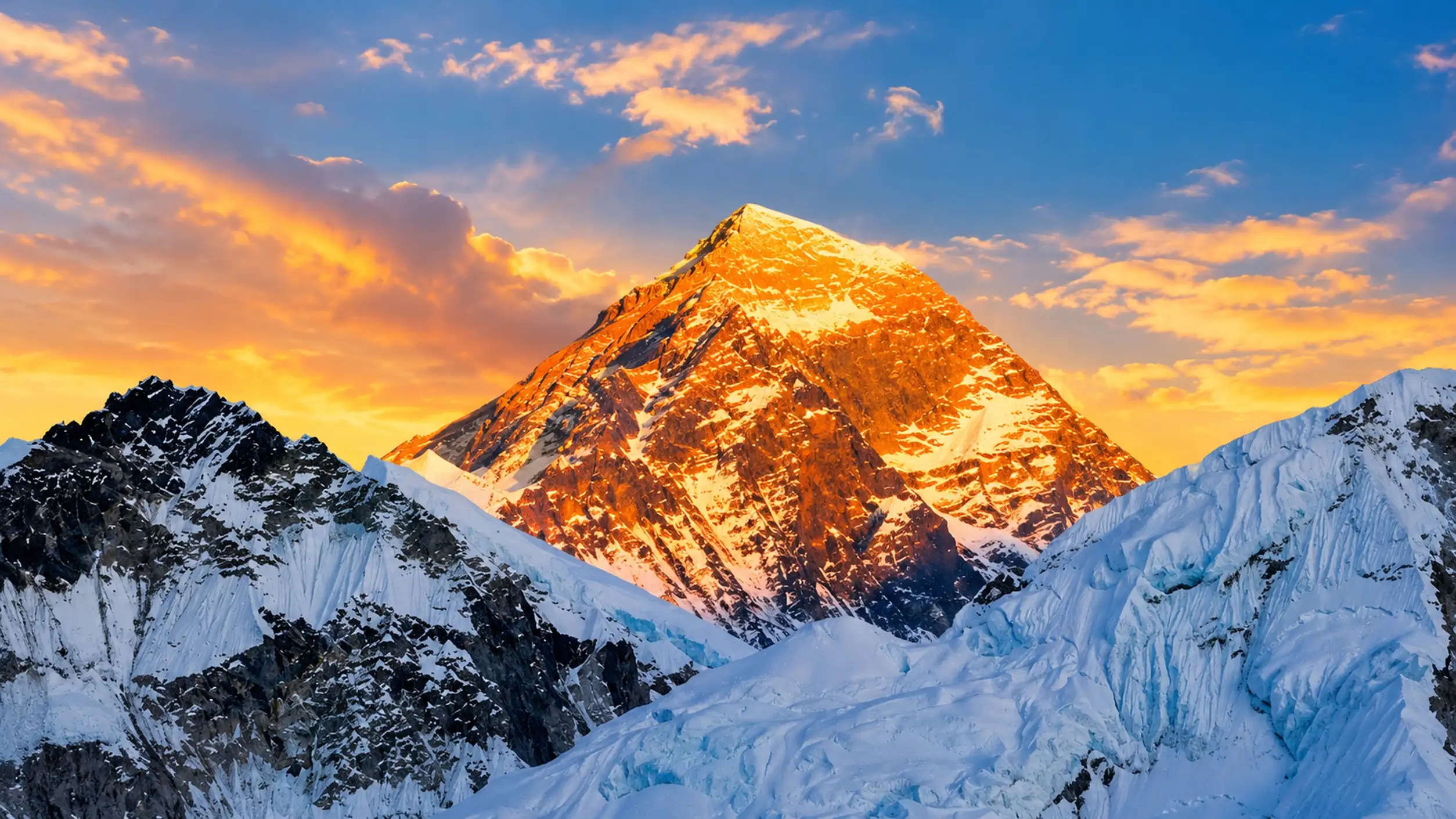
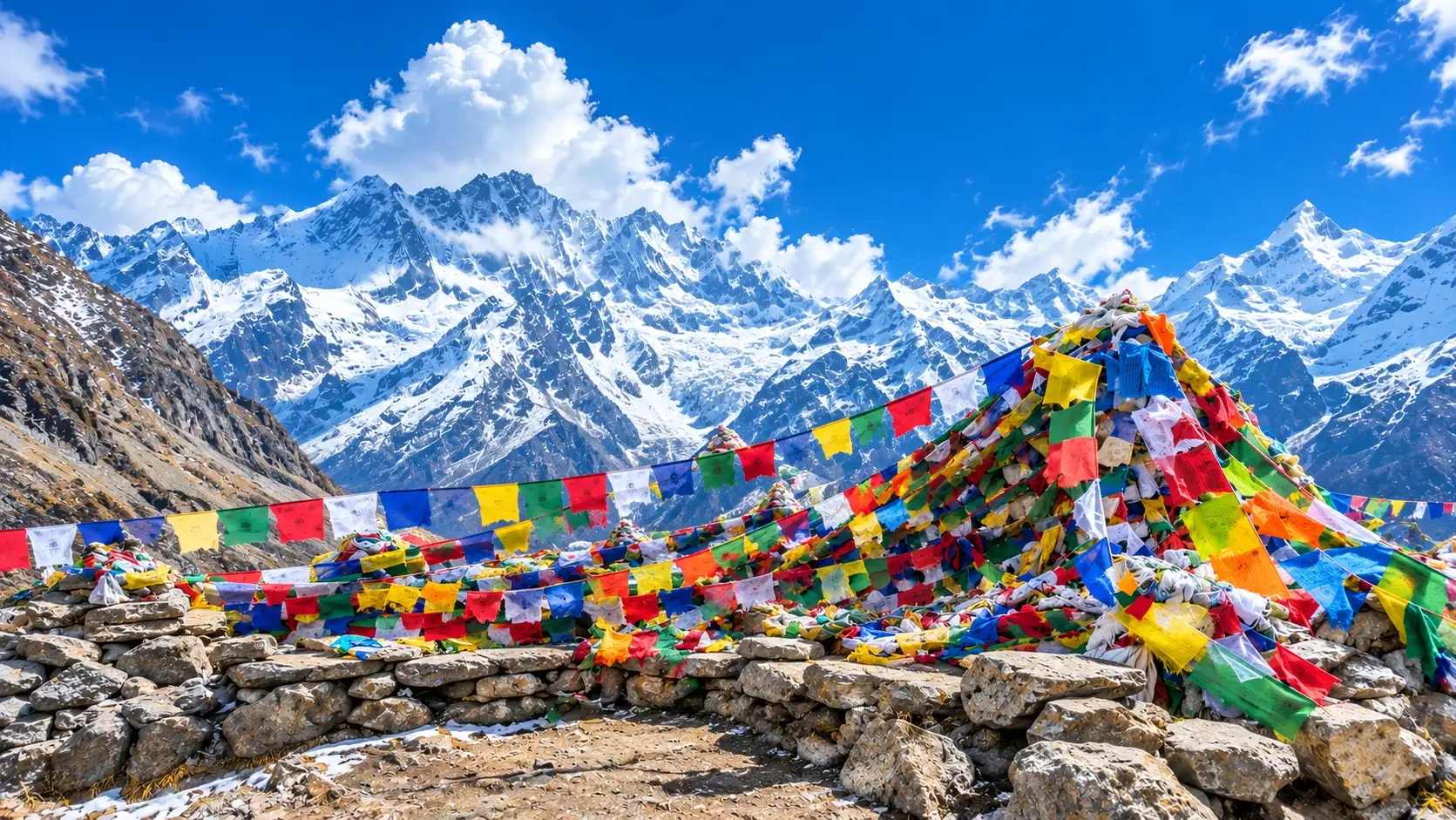
In the land of mountains, At 5,364 meters (17,598 ft), on the lap of Khumbu Glacier lies the Everest Base Camp or EBC known to those who have been there, with huge bare standing rocks against pure, feather like snow, dancing clouds in the sky that never stops, wavering prayer flags that carry the weight of patience, belief and one shared dream of a million mountaineers: climbing and standing on the peak of Mt. Everest, the tallest mountain in the world.

The trek of Everest Base Camp will take the trekkers around 14 to 15 days, through the Khumbu Region, Northeastern Nepal inside Sagarmatha National Park, an area rich in ecological, cultural and scenic significance, home to the Khumbu Glacier, turquoise Gokyo Lakes and many sherpa villages along the way. 
The trek starts with a short but exciting flight from Kathmandu to the famous mountain strip Lukla, then it is all hiking, following ridges, through prayer flag hung bridges, pine woods, and Sherpa villages, until you finally reach the wind-scoured moraine of the glacier. There is no need for ropes or ice axes, just a walking trek, which is good news because many would not consider attempting to reach the summit of Everest, but will happily trek to EBC in order to stand close enough to touch the shadow of Mt. Everest.

This is a trek for those who are fit physically and mentally, people who do not mind walking five to seven hours per day and can tolerate mental exhaustion for up to two weeks. Previous trekking experience is not required, but a certain amount of fitness is needed, along with good stamina and the ability to cope with teahouse lodging and lifestyle. Take your time and go slowly and carefully, enjoying the amazing scenery on your way to Everest Base Camp. No luxury here, just the rustic mountain lifestyle, calm pathways, warm local friendliness and stunning Himalayan scenery. Experience every moment of the adventure from beautiful Sherpa communities and historic monasteries to stunning vistas of majestic mountains. The Everest Base Camp Trek is not simply about reaching the objective, but also about enjoying the mountains, the culture, the nature and unique moments along the way.
 

Overview

The Everest Base Camp Trek is one of the most iconic Himalayan experiences in Nepal. The trek takes you deep into the magnificent region of Everest. The journey begins with a picturesque flight to Lukla at about 2860 metres (9383 feet) and leads you through magnificent Sherpa villages, forests, suspension bridges and high mountain scenery. Trekking along the trail, hikers enjoy rich Sherpa culture, old monasteries and amazing views of Everest, Lhotse, Nuptse, Ama Dablam and other Himalayan peaks. Acclimatisation breaks at Namche Bazaar at 3,440 metres (11,286 ft) enable you to adjust to the increasing altitude. Everest Base Camp is 5,364 metres (17,598 feet) and Kala Patthar is around 5,545 metres (18,192 feet), and Kala Patthar offers one of the best panoramic views of Mount Everest. It’s all about taking it slow, enjoying nature, mountain living and making everlasting Himalayan memories.

While most trek descriptions will talk about legs getting tired, there is another, more important challenge your lungs will have to undergo as well. With every step you make from Lukla (alt 2,860 m) to the Everest Base Camp (alt 5,364 m), the air pressure will gradually decrease as you climb up the valleys and ridges. Conditions like altitude sickness are extremely common on this route, and more dangerous than any rock fall or icy step you may encounter on the way. Altitude sickness occurs as the air pressure decreases, causing less oxygen to be available for your blood to absorb, and can lead to headaches, nausea, vomiting, dizziness, fatigue, and even more serious problems. The good news is that it can be prevented! This is why the tour itinerary includes two full days of acclimatization in Namche Bazaar and Dingboche, where you should take walks outside the village to allow your body to adjust to the new climate. Another thing you can do is follow the rule of thumb for hiking tours – climb high, sleep low. Skipping a day of acclimatization or choosing to go sightseeing on your own can put you at risk of altitude sickness, and is the primary reason why some people have to abort their tour before reaching EBC.
This journey is very rewarding, not only because of the experience, but also because of the incredible landscapes that you see along the way, and the local culture you get to experience throughout the hike. The trail mostly follows the Dudhkoshi River, and crosses a few long suspension bridges, which sway underfoot on either side, and are decorated with thousands of wind-battered prayer flags that represent the prayer of thousands of travelers that pass through it. From crossing high bridges and walking through pine woods, you will gradually start seeing the forests shrink as you go higher and higher, until you reach Tengboche, where the trees start disappearing altogether, until you finally reach Dingboche and the woodlands give way to bare rock and glacial moraine. The trail also goes through several local villages, inhabited by Sherpa people, a highland Tibetan people, famed climbers, trekkers and guides. The most noteworthy ones are Namche Bazaar, the largest town on the trek, with its local Saturday market, and a couple of bakeries selling cinnamon rolls and cakes, Tengboche, with its religious monastery, and the more obscure stone fortresses dotted along the trail, that can occasionally be seen from below. You will sleep in teahouses heated by yak-dung furnaces, eat dal bhat (local Nepalese food) and garlic soup which is said to help with altitude sickness, drink cups of hot milk tea and watch the mountains from the warmth of the teahouse.
As you make your way up the ridges and past the villages, mountains keep appearing on the horizon. Kongde and Thamserku are among the first ones to appear on day two, followed shortly by the most beautiful mountain in the world, Ama Dablam. As you make your way towards Everest through Namche and Tengboche, the mighty Everest also appears on the horizon, growing bigger and bigger with every step, until you eventually come to the end of the trail.

Standing on top of the Khumbu Glacier, with the towering glacial ice and the Khumbu Icefall ahead of you, is a surreal experience that few can describe. You are standing on one of the highest places in the world, and you are looking at the wonder that is Mount Everest. Most people will think that they felt happy and triumphant when they reached the end, but most of them will return to their teahouses in silence, watching the mountains from another ridge, where the wind is colder, and the people walking around are more numerous. It is a unique and humbling experience, to be sure – but it does not matter if you thought of yourself as a climber, an adventurer, or merely a curious tourist, EBC has a way of making you feel like one of the people who have set foot on this place, and looked upon the mountains for the first time.

Important Note :

High Altitude: Everest Base Camp lies at an elevation of roughly 5,364 metres (17,598 feet) above sea level. Proper acclimatisation and slow walking pace is particularly vital for a safe and pleasurable journey since altitude is increased gradually.

Take it Easy and Steady: Don’t rush the trip, particularly when trekking above Namche Bazaar. A comfortable walking pace, regular rests, consuming enough of water and listening to your body can help you acclimatise to the high altitude environment.

Weather Conditions: The weather in the Everest region can change rapidly, especially at higher elevations. Expect the weather in the mountains to change; cold temperatures, strong gusts, snowfall and gloomy circumstances may hinder plans for trekking.

Delays to Flights to Lukla: Flights to Lukla from Kathmandu might sometimes be delayed or cancelled due to poor weather or visibility. It is advisable to have some additional time and cost in your itinerary in case your flights get disrupted.

Lodging: Basic but acceptable lodging is available in the teahouses and lodges along the way. The facilities grow simpler as you ascend higher so trekkers should not expect the same level of luxury provided in cities.

Physical Preparation: Everest Base Camp Trek is physically hard trek with lengthy trekking days, steep uphill and downhill stretches and high altitude conditions. It can good to walk often, go on hikes and do cardiovascular exercises before your hike.

Travel Insurance: Do not forget to get appropriate travel insurance covering high altitude trekking and emergency evacuation including helicopter rescue if necessary.

Enjoy the Journey: The Everest Base Camp Trek is much more than just reaching Base Camp. Enjoy the beautiful Himalayan scenery, Sherpa communities, monasteries, local culture and serene mountain atmosphere en route.

 

Trip Short Itinerary

1
Arrival In Kathmandu 1324 m
2
Kathmandu Sightseeing 1324 m
3
Drive from Kathmandu to Machha Khola 930 m
4
Machhakhola to Jagat 1340 m
5
Jagat to Pewa 1820 m
6
Pewa to Namrung 2630 m
7
Namrung to Lho 3180 m
8
Lho to Samagaun 3530 m
9
Acclimatization Day at Samagaun 3530 m
10
Samagaun to Samdo 3875 m
11
Samdo to Dharamsala 4460 m
12
Dharamsala to Bhimthang 3720 m
13
Rest Day At Bhimthang 3720 m
14
Bhimthang to Gho 2550 m
15
Gho to Besi Sahar 760 m
16
Besi Sahar to Kathmandu by Drive 1324 m
17
Departure Day 1324 m

What's included

Transportation

  • Private transportation for arrival and departure transfers between the airport and hotel is included.
  • Private jeep transportation will be provided for Kathmandu City Tour.
  • Flight from Kathmandu to Lukla and Lukla to Kathmandu.

Permits

  • Sagarmatha National Park Entry Permit 
  • Khumbu Pasang Lhamu Rural Municipality Entry Permit

Guide and Staffs

  • An experienced and licensed trekking guide will accompany you throughout the trek, ensuring professional guidance and support at every stage of the journey.
  • One porter will be provided for every two guests, with a maximum baggage allowance of 13 kg per guest.
  • All expenses related to trekking staff are fully covered, including wages, meals, accommodation, transportation, and insurance for the entire duration of the trek.

Foods and Accommodation

  • Comfortable and standard accommodation on twin-sharing rooms, as per the itinerary. 
  • Breakfast in a daily basis. Lunch and Dinner will be provided during the trek.

Others

  • A general first aid medical kit will be provided and carried throughout the trek for basic medical needs.
  • A duffle bag will be provided for use during the trek to safely store and transport your belongings.

What's excluded

Flights and Visa

  • International airfare between your home country and Nepal, including both arrival and departure flights, is not included. 
  • Domestic airfare of Nepal is included from Kathmandu to Lukla two way.
  • The cost of the Nepal visa, including the visa-on-arrival fee, is not included in the package.

Travel Insurance

  • Travel insurance for guests is not included in the package and must be arranged independently.

Personal Expenses

  • Personal expenses such as laundry, hot showers, Wi-Fi access, telephone calls, sweets, snacks, battery charging, and other individual expenses are not included.
  • Alcoholic beverages, juices, soft drinks, and other personal beverages are not included in the package.

Extra Costs

  • Personal trekking equipment is not included unless specified above.
  • Tips for guides, porters, and staff are not included.
  • Any loss or additional costs caused by circumstances beyond Super Treks Nepal Pvt. Ltd.’s control are not included.
  • Costs arising from flight delays, landslides, extreme weather, strikes, illness, government policy changes, or safety-related itinerary changes are not included.
  • Any service or expense not specifically mentioned in the “Includes” section will be charged separately.

Route & elevation

Start 1,324m Peak 4,460m End 1,324m

Elevation profile

0 1,125 2,250 3,375 4,500 Height (m) 1,324m 1 1,324m 930m 3 1,340m 1,820m 5 2,630m 3,180m 7 3,530m 3,530m 9 3,875m 4,460m 11 3,720m 3,720m 13 2,550m 760m 15 1,324m 1,324m 17 Day

Day-by-day itinerary

Arrival

Kathmandu

Meals

Breakfast

Your arrival in Kathmandu, Nepal's capital city, launches the inaugural day of the Manaslu Trek itinerary. Super Treks Nepal's representative will welcome you upon your arrival and serve as your guide for the duration of the excursion. Next, the guide will accompany you to your hotel, where you can unwind and refresh yourself following your flight. With your guide, you will have the opportunity to address any queries or concerns you may have regarding the trek. Additionally, the guide will provide a concise summary of the itinerary and inform you of the events that will occur in the coming days. In order to facilitate communication throughout the expedition, it is advantageous to exchange contact information with the guide at this time.

Accommodation

Hotel

Food / Meal

Breakfast

ightseeing

Boudhanath, Swyambhunath, Pashupatinath

Ascend

0

Meal

Own

The second day of the schedule is devoted to discovering the cultural and historical richness of the Kathmandu Valley. The word “World Heritage Site” is likely referring to the multiple UNESCO World Heritage sites located in the valley, which are recognised as some of the most significant and recognisable cultural and historical monuments in Nepal. This cultural and historical heritage tour will be an extra cost if you want to add it to your schedule. Some of the most popular landmarks include Pashupatinath Temple, Swayambhunath Stupa (Monkey Temple) and Boudhanath Stupa. Throughout the day visitors will be able to see the rich history and the unique architecture of these important places and learn about their cultural and religious significance to the Nepalese people.

Accommodation

Hotel

Food / Meal

Breakfast

Drive

7-8 hrs

Descend

394

Lunch At

Dhading Besi

Departing from Kathmandu, you will travel by road to Machha Khola on the third day. Driving through picturesque landscapes, rural villages, and farming communities will provide you with a glimpse into the traditional way of life in Nepal. Depending on traffic and road conditions, the journey is anticipated to last between five and seven hours. After reaching Machha Khola, you will be accommodated at a local lodge or guesthouse for the nite. Before commencing the expedition the following day, this presents an excellent opportunity to adjust to the new environment and obtain a restful night's sleep.

Accommodation

Tea House

Food / Meal

Breakfast, Lunch and Dinner

Trek

7-8hrs

Ascend

410m

Lunch At

Dobhan

Start your trek from Machha Khola on Day 4 and proceed toward Jagat. In the initial hour of the trek, you will ascend gradually until you reach Khorla Beshi, where you will pause for a cup of tea. You will resume your journey to Tatoo Pani by gradually ascending from Khorla Beshi. Dovan will be your lunch destination after you depart from Tatoo Pani. Through a landslip, the journey to Dovan will require a half-hour of walking. Following your lunch break, you will proceed with your journey to your ultimate destination via a gradual ascent and landslip trail. During your journey, you will encounter three suspension bridges.

Accommodation

Tea House

Food / Meal

Breakfast, Lunch and Dinner

Trek

7-8hrs

Ascend

480m

Lunch At

Ekle Bhatti

On Day 5, the trek is relatively brief and leisurely, making it an excellent opportunity to acclimatise to the Manaslu Circuit. Leaving Jagat behind, the trail traverses verdant bamboo and rhododendron forests, following the Budhi Gandaki River upstream. Before traversing the lengthy suspension bridge at Philim, a popular photo stop and the highlight of the day, you will encounter small settlements such as Salleri and Sirdibas. As you depart from Philim, the trail becomes increasingly tranquil as you progress toward Pewa, a diminutive riverside settlement where you will spend the nite, leaving the bustling main village behind.

Accommodation

Tea House

Food / Meal

Breakfast, Lunch and Dinner

Trek

7-8hrs

Ascend

810m

Lunch At

Bhi Phedi

The journey from Pewa to Namrung is a picturesque trekking day through the center of the Manaslu region. The trail follows the Budhi Gandaki River through green forests, waterfalls and traditional mountain communities. The higher you climb the more harsh the scenery gets, with magnificent views of the neighbouring peaks. The day ends in Namrung, a beautiful town with Tibetan influences, and an essential stop on the Manaslu Circuit.

Accommodation

Tea House

Food / Meal

Breakfast, Lunch and Dinner

Trek

5-6hrs

Ascend

550m

Lunch At

Lho

As the trail ascends progressively from Namrung to Lho, the trek today leads you deeper into the breathtaking Manaslu region. The route traverses serene pine and rhododendron forests, traditional mountain settlements, and expansive landscapes, providing progressively more breathtaking vistas of Manaslu and the surrounding Himalayas. The scenery becomes increasingly dramatic as you approach Lho, characterized by a strong mountain culture and Tibetan-influenced architecture. In the picturesque village of Lho, the day concludes with breathtaking Himalayan vistas and the historic Ribung Gompa.


Accommodation

Tea House

Food / Meal

Breakfast, Lunch and Dinner

Trek

5-6hrs

Ascend

350m

Lunch At

Samagaun

The trek that commences today will deepen your immersion in the high Himalayan landscape, providing you with breathtaking vistas of Manaslu and the surrounding snow-capped peaks. The trail traverses alpine forests, open yak pastures, and traditional Tibetan-influenced villages, including the lovely settlement of Shyala. Towering mountains rise all around as you proceed toward Samagaun, resulting in an increasingly dramatic landscape. Samagaun, a historic mountain village renowned for its magnificent Himalayan setting, ancient monasteries, and rich Tibetan culture, concludes the day.

Accommodation

Tea House

Food / Meal

Breakfast, Lunch and Dinner

Seightseeing

Birendra Tal

Ascend

0

Lunch At

Samagaun

Rest and acclimatisation day in Samagaun to allow your body to acclimatise to the increasing altitude before moving toward the highest parts of the Manaslu Circuit. To ease into the acclimatisation process, we take a gentle walk to Birendra Tal, a magnificent glacier lake set amidst spectacular Himalayan landscape.

The short trek offers amazing views of Manaslu, glaciers and the rough mountain terrain. We explore Birendra Tal, then head back to Samagaun for a quiet afternoon.

You can spend the rest of the time sleeping, exploring the traditional village, visiting local monasteries or enjoying the serene mountain surroundings. Samagaun has Tibetan-influenced culture, stone buildings, prayer flags and spectacular views, making it a fantastic destination to spend an acclimatisation day.

Accommodation

Tea House

Food / Meal

Breakfast, Lunch and Dinner

Trek

3-4hrs

Ascend

345

Lunch At

Samdo

Your trekking adventure continues as you head toward the highland settlement of Samdo, leaving behind the tranquil village of Samagaun. As you go through alpine meadows and difficult terrain, the trek offers breathtaking views of the spectacular Mt. Manaslu and other towering Himalayan peaks. This section of the hike offers a moderate climb to 3,875 meters, where the landscape becomes more dramatic and bleak. The raw, unspoiled beauty of the Manaslu region is reflected in the landscape's shift from forested slopes to open valleys and rocky ridgelines. Before entering the Manang region and traversing the difficult Larke La Pass, Samdo is the last human settlement. This isolated community, which is home to more than 200 people living in about 40 traditional Tibetan-style homes, provides a distinctive cultural experience as well as a crucial rest and acclimatization stop before the next leg of the journey.

Accommodation

Tea House

Food / Meal

Breakfast, Lunch and Dinner

Trek

3-4hrs

Ascend

585

Lunch At

Dharamsala

Your journey to Dharamsala (also known as Larke Phedi) starts with a tough uphill climb over desolate alpine landscape after leaving the isolated settlement of Samdo (3,860 meters).

You will soon reach Larkya Bazaar, a seasonal Tibetan bazaar that was once utilized for trade between Nepal and Tibet, after crossing a wooden bridge. The trail then continues upward, providing breathtaking views of the Sambo Himal, Naike Peak, and other neighboring summits.

The terrain gets rougher as you get closer to Dharamsala (4,460 meters), and you'll start to experience the affects of high altitude. Despite its simplicity, the location offers a breathtaking base camp setting at the base of the pass with breathtaking vistas and a tranquil ambiance that gets you ready both physically and mentally for the challenge of the following day.

Accommodation

Tea House

Food / Meal

Breakfast, Lunch and Dinner

Trek

12-13hrs

Descend

740m

Lunch At

Pack Lunch

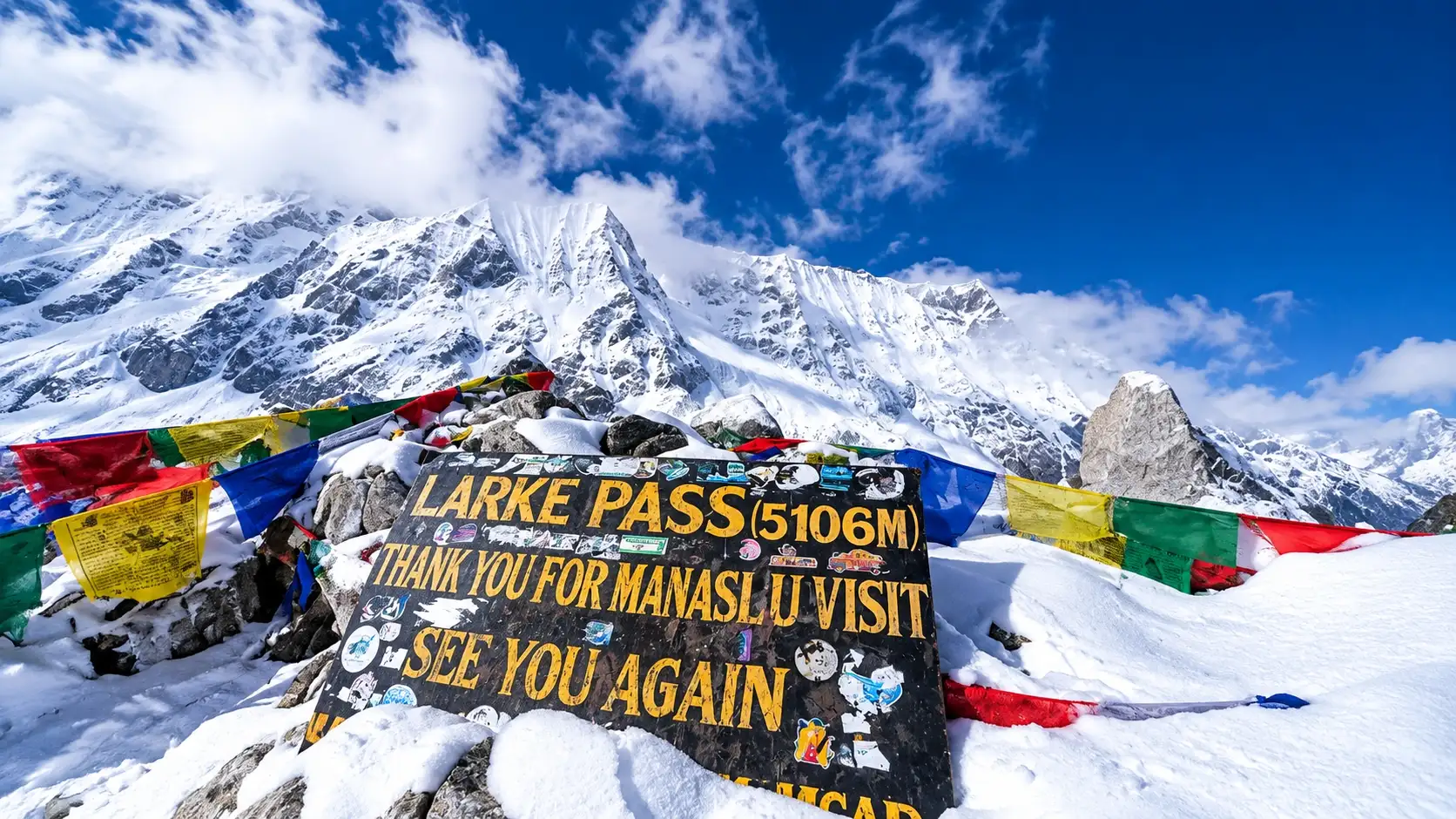
This day is one of the most difficult and unforgettable of the Manaslu Circuit. From Dharamsala, we commence our journey early and proceed to the formidable Larkey La Pass, which stands at 5,106 meters. This pass is one of the highest points of the trek. The trail leads us through a picturesque snow-covered landscape, featuring glaciers, frozen paths, and breathtaking vistas of the surrounding Himalayan peaks.

Climbing to the pass is a difficult endeavor, as the dense snow, cold temperatures, and high altitude make each step a test of determination. It is an incredibly emotional and proud moment to reach the summit of Larkey La, as it is a testament to the dedication, preparation, and obstacles that have been encountered throughout the voyage. After celebrating this accomplishment and admiring the breathtaking mountain vista, we commence the lengthy descent toward Bhimthang.

As we descend, the landscape undergoes a gradual transformation, providing a stunning contrast to the snow-covered high pass. When one arrives at Bhimthang, they experience a profound sense of relief and accomplishment. At 5,106 meters, crossing Larkey La is not merely another day on the trail; it is a significant milestone and one of the most unforgettable accomplishments of the entire Manaslu adventure.

Accommodation

Tea House

Food / Meal

Breakfast, Lunch and Dinner

Trek

Rest Day

Descend

0

Lunch At

Bhimthang

Today is a well-deserved day of relaxation in Bhimthang following the difficult crossing of Larkey La Pass. We take time to unwind and recuperate from the voyage, surrounded by the tranquil Himalayan landscapes, beautiful forests, and breathtaking mountains. Today is an ideal day to contemplate the accomplishment of traversing the 5,106-meter pass, appreciate the breathtaking mountain vistas, and explore the stunning surroundings. This is a tranquil and gratifying respite before the journey continues to the lower valleys of the Manaslu region.

Accommodation

Tea House

Food / Meal

Breakfast, Lunch and Dinner

Trek

4-5hrs

Descend

1170m

Lunch At

Yak Kharka

Today’s journey is from Bhimthang to the lovely village of Gho. The trail then descends slowly through gorgeous pine and rhododendron forests with invigorating mountain scenery and spectacular vistas along the way. As we descend, the terrain gets greener and warmer, with historic villages and quiet trails adding appeal. This is a more laid back and fun part of the tour after the hard days at high altitude. We arrive to Gho, a beautiful mountain village where we may relax, appreciate the surroundings and feel the peace of the lower Manaslu region

Accommodation

Tea House

Food / Meal

Breakfast, Lunch and Dinner

Trek

4-5hrs / Drive

Descend

1790m

Lunch At

Dharapani

Your Manaslu trek concludes with the last trekking day from Gho to Dharapani. The trail progressively descends through lush forests, traditional villages and scenic mountain scenery before reaching Dharapani.

We reach Dharapani and enjoy our lunch and relax for a while after the journey. From here we continue our adventure by vehicle, leaving the mountains behind and driving toward Besisahar. The picturesque road winds past delightful hillside communities, rivers, waterfalls and the lush scenery of the Himalayan foothills.

Later in the evening we arrive at Besisahar, settle into our hotel and spend the nite. It’s a perfect opportunity to relax and celebrate the end of a memorable Manaslu trekking adventure.

Accommodation

Tea House

Food / Meal

Breakfast, Lunch and Dinner

Drive

7-8hrs

Ascend

564m

Lunch At

Muglin

As you finish the Manaslu Trek, carry with you memories of breathtaking mountains, attractive communities, rich culture, and the sense of accomplishment of having crossed the Larkey La Pass. To mark this fantastic journey, we’re going to have a special farewell supper, exchanging stories and precious memories from the trail.


Accommodation

Hotel

Food / Meal

Breakfast, Lunch and Dinner

We hope you’ve had a great time on your journey with us as well as we had the pleasure of having you as our trekking family member. We are really glad that you decided to go on this Himalayan experience with us, Super Trek Nepal.


As you leave our beloved country, we hope that you have a nice, safe, and comfortable flight back home. May the memories of the mountains and the new friendships never fade away.


Although your journey might be over, your Himalayan memories will last a lifetime. 


Thank you for trekking with us, Super Trek Nepal.


Until the next time we meet in the Himalayas, Namaste and safe travels!

Food / Meal

Breakfast

Upcoming departures

4 Nov 2026

Available $1,700 / person
Book

Gear & equipments

Headwear

Sun Cap
Sun Cap

Brimmed cap for hot, high-UV trail days.

Wool Beanie
Wool Beanie

Warm hat for mornings above the treeline.

Buff / Neck gaiter
Buff / Neck gaiter

Dust, wind and cold on high passes.

Glacier Sunglass
Glacier Sunglass

Category 4 lenses for snow glare.

Headlight
Headlight

Pre-dawn starts and unlit teahouse corridors.

Upper body

Merino base layer / Thermal

Wicking next-to-skin layer for cold mornings.

Long-sleeve trekking Tshirt

Sun protection on exposed ridges.

Fleece Mid-layer
Fleece Mid-layer

Warmth at rest stops without bulk.

Down Jacket
Down Jacket

Camp and high-altitude evenings.

Waterproof Shell / Raincoat

Hooded jacket for rain and wind.

Lower body

Trekking Trousers
Trekking Trousers

Quick-dry pants for long walking days.

Thermal Leggings
Thermal Leggings

Base layer for cold nights and high camps.

Waterproof Trousers
Waterproof Trousers

Keep legs dry on monsoon or snow days.

Lightweight Shorts
Lightweight Shorts

Warm valley days at the start of the trek.

Underwears (synthetic)

Several pairs; cotton stays wet.

Footwear

Trekking Boot
Trekking Boot

Ankle support on rocky, uneven trails.

Camp Sandals / Slipper

Air feet out at the lodge.

Wool Socks
Wool Socks

Three to four pairs, rotated daily.

Liner Socks
Liner Socks

Reduce blisters on long descent days.

Gaiters
Gaiters

Keep snow and scree out of boots.

Hands & sleep

Fleece Gloves
Fleece Gloves

Morning starts and windy ridges.

Sleeping Bag (−20 °C)

Teahouse rooms are unheated.

Bags & trekking

Daypack (10–15L)
Daypack (10–15L)

Water, layers, camera and snacks.

Trekking Poles
Trekking Poles

Save knees on long descents.

Hydration & food

Thermos Waterbottle
Thermos Waterbottle

Refill at lodges; purification as backup.

Iron Tablets
Iron Tablets

Tablets or a filter for trail water.

Trail Snacks
Trail Snacks

Nuts, bars and glucose for long days.

Electrolyte Sachets
Electrolyte Sachets

Replace salt lost at altitude.

Hygiene

Bio-Degradable Soap
Bio-Degradable Soap

Lodges have limited washing water.

Quick-Dry Towel
Quick-Dry Towel

Compact towel for occasional showers.

Toothbrush and Paste

Basic kit; carry-on size.

Toilet Paper
Toilet Paper

Not always provided above Namche.

Hand Sanitizer
Hand Sanitizer

Before meals on the trail.

Health & documents

Personal First-Aid Kit (Blister Patches, ORS, diarrhoea, food poisoning, allergy, vomiting, head ache),

Blister care, pain relief, personal meds.

Diamox (high altitude sickness medicine)

Talk to your doctor before you fly.

Sunscreen SPF 50+
Sunscreen SPF 50+

UV is fierce above 4,000 m.

Lip Balm with SPF
Lip Balm with SPF

Stops cracking in dry, cold air.

Passport Copy, Insurance and Permit

Checkpoints will ask; keep a spare set dry.

Electronics

Power Bank
Power Bank

Lodge charging is slow and often extra.

Universal Adapter
Universal Adapter

Nepal uses a mix of sockets.

Phone with Offline Maps

Download the route before Lukla.

Useful information

  • A valid copy of travel insurance that covers the time of your expedition.
  • A copy of the visa obtained after arrival in Nepal.
  • A clear scanned copy of your current passport, which must have at least 6 months of validity remaining.

Frequently asked

Planning

A licensed guide is mandatory for the Manaslu–Larkey La Pass Trek. The region is far away and very high. The guide ensures that all permits and regulations are respected. The guide also gives help with navigation, altitude safety, weather conditions and emergencies.

More, than a requirement the guide makes your journey safer, smoother and richer. The guide lets you fully enjoy the landscapes and authentic Himalayan culture.

Larkya La Pass is difficult but can be done with good planning and acclimatization. The crossing is physically challenging at roughly 5,106 meters (16,752 feet) due to the high altitude, steep portions, high temperatures and long trekking day.

With a good itinerary, progressive acclimatization and the help of an experienced guide, the pass is accessible to trekkers.

The journey is a tough one, but the payoff is worth it, with the ultimate challenge being the passage of Larkya La Pass at 5,106 meters (16,752 feet). The Manaslu Circuit is the perfect trek for anyone looking for a real Himalayan experience with natural beauty, adventure, challenge and stunning mountain vistas.

For peak seasons (September–November and March–May) you should make a reservation for the Manaslu Trek at least 2months in advance to ensure your restricted area permits, a licensed guide and lodge space. 1 month can plenty for off-peak or independent planning, while earlier is usually safer.

Yes, the Manaslu Trek itinerary can be adjusted according to your time, fitness level and preferences. Trek lengths, rest and acclimatization days, distance walked each day and some breaks can be tailored when possible.

Our professional team can prepare the itinerary maintaining adequate acclimatization, safety, permits and crossing the Larkya La Pass at 5,106 meters as the key priorities. This way you may experience a more comfortable and personalized Himalayan adventure.

We have years of experience on the same trekking routes, a professional team and a warm, friendly environment, which is why travelers pick Super Treks Nepal. Our professional guides know the routes well, altitude management, altitude sickness understanding, safety, and security, and they help ensure that the trip is properly organized and comfortable.

Our goal is not just on reaching the destination, but on crafting a safe, personal and really memorable Himalayan experience. From day one to the final farewell, our aim is to make your journey with Super Treks Nepal a lifetime experience filled with unforgettable moments, best hospitality, and wonderful memories.

From
$1,700 $1,850
Book now